
Why Your Cat Won't Drink Enough Water
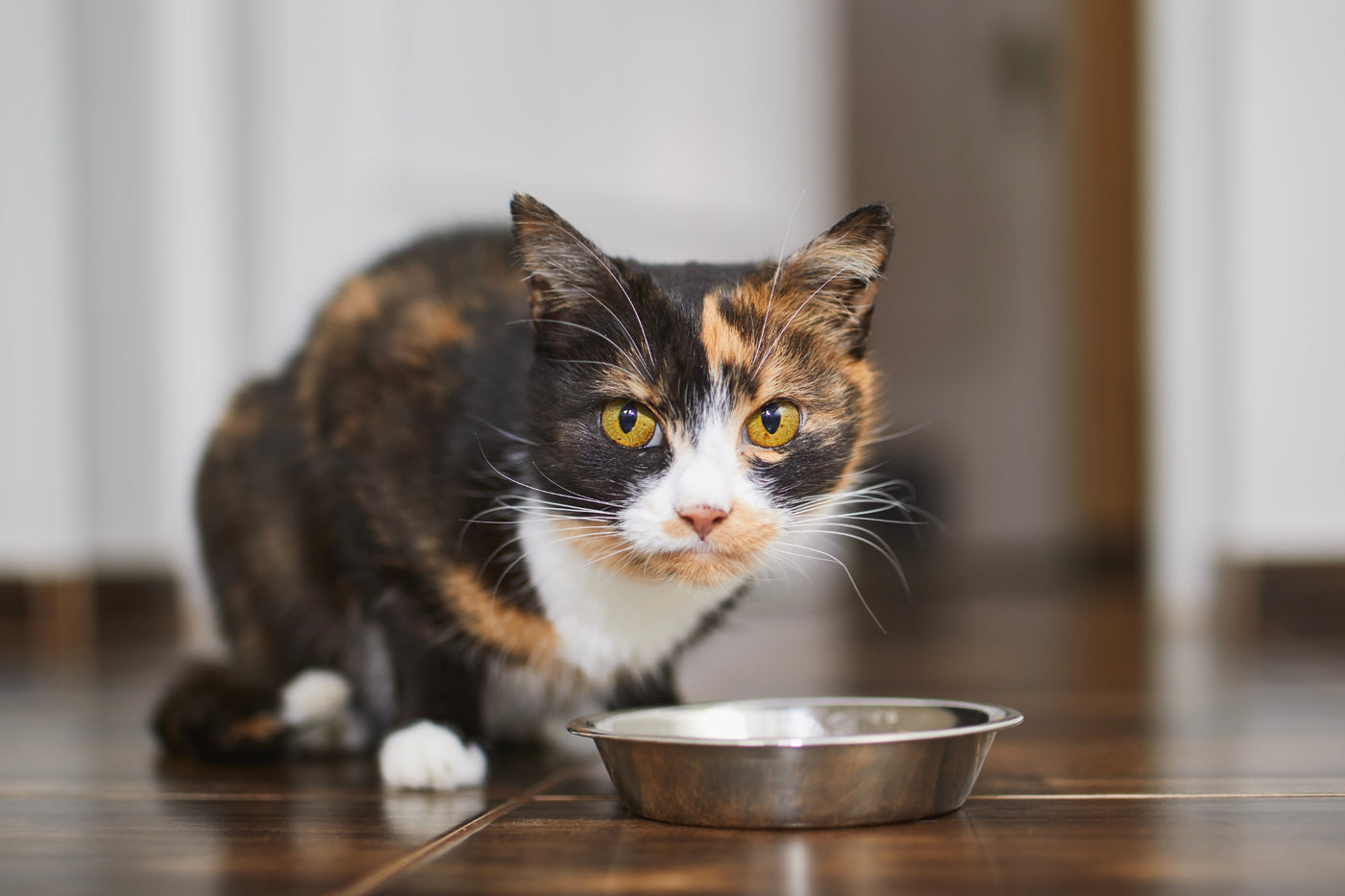
Why Your Cat Won't Drink Enough Water (and How to Fix It)
Cats have a strange relationship with water. They will ignore a fresh bowl for days, then drink enthusiastically from a puddle, the shower tray, or your glass on the bedside table. They treat their own water bowl with the suspicion of someone who has been served a drink they did not order. And getting a cat to drink enough is one of those quiet worries that most owners do not think about until a vet mentions it.
It matters more than it seems. Cats are prone to urinary and kidney problems, and poor hydration makes those worse. A cat that drinks too little is storing up trouble you would rather they did not. The good news is that this is a very fixable problem, and most of the fixes are cheap and easy. First, though, it helps to understand why your cat is being so difficult about it.
Why Cats Don't Drink Much
Your cat is not being awkward on purpose (for once). Cats descend from desert-dwelling animals that got most of their moisture from the prey they ate, so they never developed a strong drive to drink water directly. Their thirst signal is weak, which is fine for a wild cat eating mice, but a problem for a house cat eating dry biscuits.
On top of that, cats are fussy about how and where they drink. Common turn-offs include:
- Still, stale water. In the wild, still water can be stagnant and unsafe, so many cats instinctively prefer moving water. That is why they love a dripping tap.
- The wrong spot. A bowl right next to the food or the litter tray puts a lot of cats off. They do not like to eat, drink, and toilet in the same corner.
- Whisker fatigue. A deep, narrow bowl squashes their whiskers as they drink, which is genuinely uncomfortable. Cats prefer a wide, shallow bowl their whiskers can clear.
- Not enough choice. One lonely bowl in one spot is easy to ignore. Cats like options.
How to Get Your Cat to Drink More
Now the fixes. You will not need all of these, just work through them until you find what your particular cat responds to.
1. Give Them Moving Water
This is the big one, and for a lot of cats it is a total game-changer. A pet water fountain keeps the water constantly circulating and filtered, so it stays fresh and appealing, and it scratches that instinct for running water. Plenty of cats who barely touched a bowl will happily drink from a fountain. If your cat is a tap-drinker, this is almost certainly the answer.
2. Spread Bowls Around the House
Do not rely on a single bowl. Put water in several spots, away from the food and well away from the litter tray. The more often your cat passes a bit of water in a place they feel comfortable, the more often they will have a drink. Multiple "watering holes" is exactly how it works in the wild.
3. Switch to a Wide, Shallow Bowl
Swap any deep, narrow bowls for wide, shallow ones so your cat's whiskers do not touch the sides. Ceramic or stainless steel is better than plastic, which can hold odours and put fussy cats off. This one small change fixes a lot of reluctant drinkers.
4. Add Wet Food to the Menu
If your cat eats only dry food, they are getting very little moisture from meals. Wet food is around 70 to 80 percent water, so working some into their diet is one of the most effective ways to boost their overall hydration, no persuasion required. Even mixing a little water into their food helps.
5. Keep It Fresh
Cats turn their noses up at water that has sat out gathering dust and bits of food. Refresh the bowls at least once a day, more in warm weather, and give them a proper wash regularly so there is no slimy film. Fresh water is far more tempting than day-old water, obvious to us, apparently a revelation to them.
6. Try Flavouring It
If your cat is really stubborn, a splash of water from a tin of tuna (in spring water, not brine) or a little low-salt, onion-free chicken stock can turn plain water into something worth investigating. Use it as a nudge to build the habit, then ease back to plain.
When to See a Vet
A word of caution the other way. A sudden, dramatic change in drinking is worth a vet visit, not a fountain. A cat that suddenly drinks a lot more than usual, or a lot less, or is straining in the litter tray, could have an underlying health issue like kidney disease, diabetes, or a urinary blockage. A blocked cat, especially a male cat that cannot pass urine, is a genuine emergency. So encourage drinking, but if the pattern changes suddenly, get them checked.
The Short Version
Your cat is not built to drink much, and they are fussy about how they do it, so the trick is to make water more tempting rather than nagging them to use a bowl they have decided against. Moving water from a fountain, several wide shallow bowls dotted around, away from the food and litter, plus some wet food in their diet, will get most cats drinking far more without a fight. Keep it fresh, keep it interesting, and keep an eye out for any sudden changes. Your cat's kidneys will thank you, even if your cat does not.